
The journey of gambling Exploring the historical evolution of casinos
The Origins of Gambling
The concept of gambling dates back thousands of years, with evidence of betting activities found in ancient civilizations. The earliest forms of gambling included dice games, often played in Mesopotamia around 3000 BC. These primitive games were simple, relying on chance and luck, reflecting the innate human attraction to risk and reward. If you’re interested in contemporary options, check out https://earlymemorieschildcare.com/payid-casino/, where you can explore modern gaming avenues.

As societies evolved, so did the ways in which people engaged in gambling. Ancient China introduced the first known lottery systems, while the Greeks and Romans further refined gambling practices by incorporating games into their cultural festivities. These early forms of gambling laid the groundwork for more organized gaming establishments in the future.
The Birth of Casinos in Europe
The modern casino as we know it began to take shape during the Renaissance period in Europe. Italy was at the forefront, where the first official casino, the Ridotto, opened in Venice in the early 17th century. This establishment was licensed by the government, marking a significant shift towards regulated gambling.
Throughout the 18th century, casinos began to proliferate across Europe, particularly in France. The development of games like roulette and baccarat turned casinos into social hubs where aristocrats gathered. This era set the standard for the luxurious environments and elaborate décor that casinos would later become known for.
Expansion of Casinos in the 19th and 20th Centuries
The 19th century saw the rapid expansion of casinos beyond Europe, especially with the establishment of gambling houses in places like the United States. The Gold Rush attracted prospectors and settlers, leading to the creation of gaming establishments in mining towns. However, it wasn’t until the late 20th century that Las Vegas emerged as the world’s gambling capital, transforming the landscape of casinos forever.
During this period, the introduction of slot machines and table games made casinos more accessible to the general public. This shift marked a departure from exclusive gambling for the elite, making gaming a popular pastime for everyone. The evolution of casino design, influenced by themes and entertainment options, further solidified their place in popular culture.
The Rise of Online Casinos
The advent of the internet in the late 20th century heralded a new era for gambling. Online casinos began to emerge in the mid-1990s, providing players with the ability to gamble from the comfort of their homes. This technological advancement not only revolutionized the gambling experience but also expanded the reach of casinos to a global audience.
As online casinos gained popularity, they introduced innovative gaming options and promotions, attracting players who were previously hesitant about traditional gambling establishments. This digital transformation continues to shape the industry, with advancements in mobile technology and live dealer games making the online gambling experience more immersive and engaging.
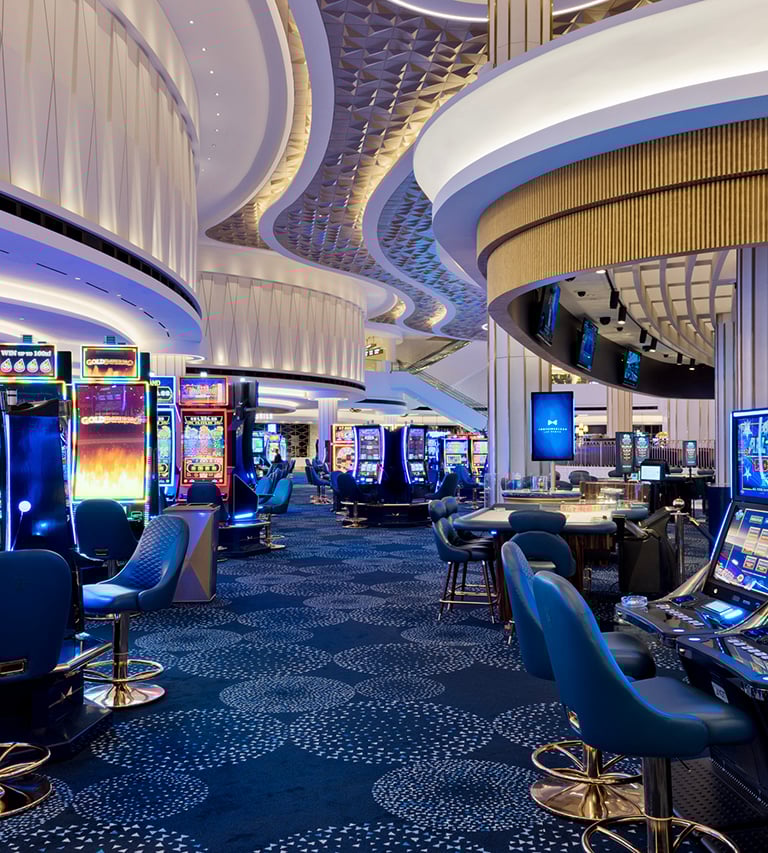
Modern Gambling and Responsible Practices
Today, the gambling industry is a multi-billion-dollar global enterprise, encompassing a diverse range of activities from traditional casinos to online platforms. However, with this growth has come increased scrutiny regarding responsible gambling practices. Many modern casinos now implement measures to promote safer gaming environments, including self-exclusion programs and informational resources for players.
As we explore the ongoing evolution of casinos, it’s clear that they are adapting to societal changes and technological advancements. The industry faces challenges and opportunities as it moves forward, striving to balance profitability with the well-being of its patrons. This journey is a testament to the resilience and adaptability of gambling culture throughout history.